
The Health Behind Plumbing, Licensed to Protect
Plumbing is more than pipes and fixtures it is one of the most critical public health systems in modern society. Every time clean water flows from a faucet or wastewater is safely removed from a home, it’s the result of properly designed, installed, and maintained plumbing systems. Licensed plumbers play a vital role in protecting the health of the nation by preventing contamination, controlling the spread of disease, and ensuring safe access to clean water.
Why Plumbing Is a Public Health Profession
Before modern plumbing, communities were plagued by waterborne diseases such as cholera, typhoid, and dysentery. Proper plumbing systems separate clean drinking water from waste, protect groundwater, and safely transport sewage away from living spaces. A single improperly installed drain, vent, or water connection can allow dangerous bacteria, gases, or contaminants to enter a home or public water supply. This is why plumbing is regulated and why skilled, trained professionals are essential.
Why Plumbers Must Be Licensed
Licensing ensures that plumbers have the education, training, and experience required to protect public health. Licensed plumbers understand hydraulic flow, venting, cross-connection control, backflow prevention, gas safety, and code compliance. They are trained to install systems that function safely under real-world conditions not just pass water, but protect people.
Unlicensed or improper plumbing work can lead to:
Licensing holds plumbers accountable to professional standards and ensures that work is inspected, tested, and verified for safety.
The Role of the Illinois Department of Public Health (IDPH)
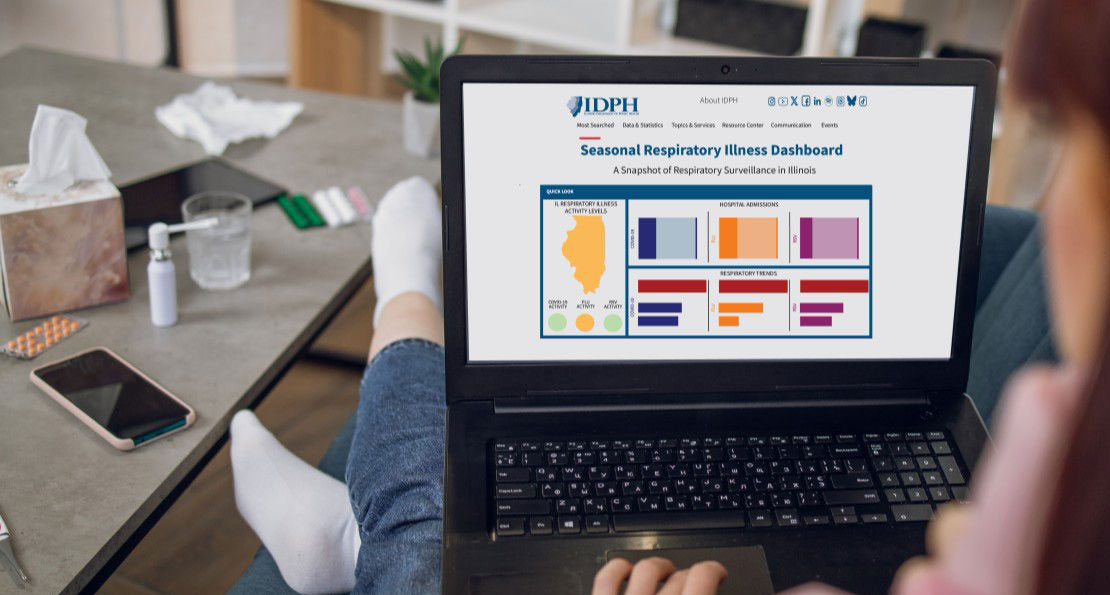
The IDPH plays a critical role in safeguarding public health across Illinois by overseeing plumbing standards and enforcing the Illinois Plumbing Code. The department establishes rules that protect water quality, ensure proper waste disposal, and prevent health hazards caused by unsafe plumbing systems. IDPH regulations are based on decades of public health research and are designed to protect not just individual homes, but entire communities.
By working under IDPH guidelines, licensed plumbers help:
Plumbing codes are often misunderstood as unnecessary restrictions, but in reality, they are public health safeguards. Requirements for venting, pipe materials, burial depth, cleanouts, backflow devices, and inspections all exist to prevent real and serious health risks. Code-compliant plumbing ensures systems work safely today and decades into the future.
Why Plumbing Is a Public Health Profession
Before modern plumbing, communities were plagued by waterborne diseases such as cholera, typhoid, and dysentery. Proper plumbing systems separate clean drinking water from waste, protect groundwater, and safely transport sewage away from living spaces. A single improperly installed drain, vent, or water connection can allow dangerous bacteria, gases, or contaminants to enter a home or public water supply. This is why plumbing is regulated and why skilled, trained professionals are essential.
Why Plumbers Must Be Licensed
Licensing ensures that plumbers have the education, training, and experience required to protect public health. Licensed plumbers understand hydraulic flow, venting, cross-connection control, backflow prevention, gas safety, and code compliance. They are trained to install systems that function safely under real-world conditions not just pass water, but protect people.
Unlicensed or improper plumbing work can lead to:
- Contaminated drinking water
- Sewer gas exposure
- Cross-connections between waste and potable water
- Flooding, mold growth, and structural damage
- Failed inspections and costly repairs
Licensing holds plumbers accountable to professional standards and ensures that work is inspected, tested, and verified for safety.
The Role of the Illinois Department of Public Health (IDPH)
The IDPH plays a critical role in safeguarding public health across Illinois by overseeing plumbing standards and enforcing the Illinois Plumbing Code. The department establishes rules that protect water quality, ensure proper waste disposal, and prevent health hazards caused by unsafe plumbing systems. IDPH regulations are based on decades of public health research and are designed to protect not just individual homes, but entire communities.
By working under IDPH guidelines, licensed plumbers help:
- Protect public water supplies
- Prevent the spread of waterborne illness
- Ensure consistent safety standards statewide
- Maintain trust in municipal infrastructure
Plumbing codes are often misunderstood as unnecessary restrictions, but in reality, they are public health safeguards. Requirements for venting, pipe materials, burial depth, cleanouts, backflow devices, and inspections all exist to prevent real and serious health risks. Code-compliant plumbing ensures systems work safely today and decades into the future.
A Responsibility That Goes Beyond the Jobsite
Every licensed plumber carries a responsibility that goes beyond the individual project. Whether installing a new home’s plumbing system, repairing a sewer line, or upgrading a water service, plumbers are protecting families, neighborhoods, and entire water systems. This is why plumbing is considered a public health trade and why proper licensing, inspections, and oversight matter.
Final Thoughts
Clean water and safe sanitation are foundations of a healthy society. Licensed plumbers, guided by public health standards and enforced by agencies like IDPH, play a quiet but essential role in protecting the health of the nation. When plumbing is done right, people don’t notice but when it’s done wrong, the consequences can be severe. Choosing licensed professionals and code-compliant work isn’t just smart it’s a matter of public health.

Before hiring a plumber, homeowners and builders can take an extra step to protect themselves and their community by verifying that the contractor is properly licensed. The Illinois Department of Public Health (IDPH) provides an online license lookup tool that allows the public to confirm whether a plumber is legally licensed and in good standing. Checking a plumber’s license through the IDPH website helps ensure the work will be performed by a qualified professional who meets state health and safety standards—and reinforces the role licensed plumbing plays in protecting public health.
"The world has become so fast paced that people don’t
want to stand by reading a page of information, they would
much rather look at a presentation and understand the
message"
want to stand by reading a page of information, they would
much rather look at a presentation and understand the
message"
A journey of a thousand miles must begin with a single step. Lao-tzu, Tao-te Ching
You may feel like you will never possess enough commitment power to quit smoking cigarettes. However, trying to stop smoking is just like all things else in the world. It takes practice. Very few individuals stop for good on the principal try. Each time you try to stop, it will get a little easier, especially if you are knowledgeable of some of the best ways to quit smoking.
You may feel like you will never possess enough commitment power to quit smoking cigarettes. However, trying to stop smoking is just like all things else in the world. It takes practice. Very few individuals stop for good on the principal try. Each time you try to stop, it will get a little easier, especially if you are knowledgeable of some of the best ways to quit smoking.